Hamdi Saidani
 This classic, double-crust apricot pie is made with a homemade shortening crust, fresh quartered apricots tossed in sugar, flour, cinnamon, and lemon juice, baked until golden and bubbling. It takes about 30 minutes to prep and 35 to 45 minutes in the oven.
The filling keeps things simple. Sugar, flour, and cinnamon get mixed together first, then the apricot quarters and lemon juice are folded in. The flour is the thickener here instead of cornstarch, which gives the filling a slightly more opaque, matte look compared to the glossy finish cornstarch produces. It still sets firm enough to hold a clean slice as long as you let the pie cool fully on a rack before cutting.
Cover the crust edges with strips of aluminum foil before the pie goes in. A 425°F oven browns the exposed edges fast, and without protection they burn well before the center filling is done. The slits cut into the top crust aren’t decorative, they’re functional. Steam from the cooking fruit needs a way out, and without those vents the top crust puffs up, traps moisture, and the filling stays soupy instead of thickening properly.
Apricot Pie Recipe
Description
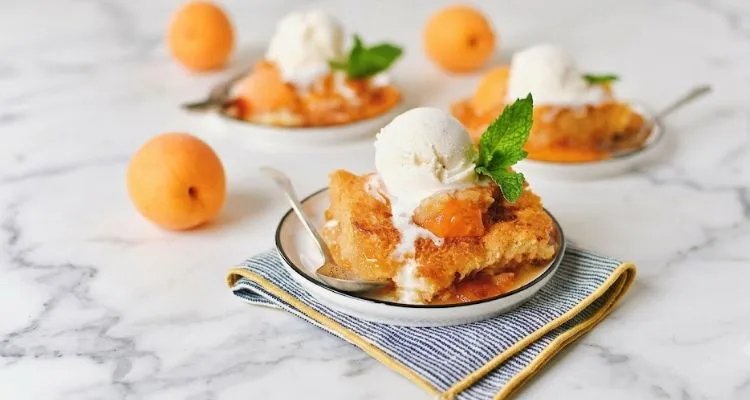
This apricot pie fills a homemade double shortening crust with cinnamon-spiced fresh quartered apricots, baked until golden and bubbling for a simple, fruit-forward summer dessert.
Ingredients
For the crust:
For the filling:
Instructions
- Preheat the oven to 425°F.
- Roll each ball on a floured surface into a round large enough for a 9-inch pie dish with about an inch to spare.
- Lift the first crust, fold into quarters, place into the pie dish, and unfold to fit. Set the second crust aside.
In a large bowl, mix 1 cup of sugar, flour, and cinnamon until combined. Stir in the quartered apricots and lemon juice. Spoon the filling over the bottom crust. - Place the second crust over the filling. Crimp the edges together with a fork and trim away any excess dough.
- Cut several slits into the top crust to allow steam to escape. Cover the edges with strips of aluminum foil.
- Bake on the center rack until the pie is golden brown and the filling is bubbling through the slits, 35 to 45 minutes.
- Remove to a wire rack to cool. Sprinkle the top with the remaining teaspoon of sugar.
FAQs
What do I serve it with?
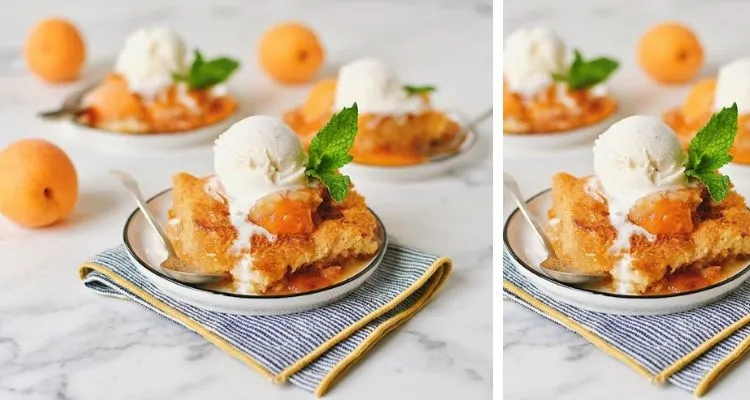
A scoop of Vanilla Ice Cream while the pie is still barely warm. For a dessert table, the peach galette alongside gives guests a rustic, free-form option in a similar stone fruit lane. A jar of the Apricot Jam on the side with a spoon lets anyone add an extra concentrated layer of apricot flavor on top of each slice.
Why does this crust use shortening instead of butter?
Shortening produces a flakier, more tender crust because it has a higher fat content and no water. Butter tastes richer but makes a sturdier, crisper crust. If you prefer butter flavor, swap half the shortening for cold butter and keep the other half as shortening for the best of both.
How do I know when the filling is done?
Look through the slits in the top crust. The filling should be visibly bubbling, not just around the edges but in the center too. If only the edges bubble, the middle is still raw and the pie won’t set when it cools. Keep baking until you see active bubbling through those vents.
Can I use canned apricots instead of fresh?
Fresh is the better choice. Canned apricots are too soft and waterlogged, and the extra liquid throws off the flour-to-fruit ratio. The filling ends up runny and the bottom crust gets soggy. If fresh aren’t available, thaw and drain frozen apricot halves as the closest substitute.
Why did my bottom crust come out soggy?
The oven temperature may have been too low, or the pie sat on a high rack where the bottom didn’t get enough heat. Bake on the center rack and make sure the oven is fully preheated to 425°F before the pie goes in. A hot oven sets the bottom crust quickly before the fruit juices have a chance to soak through.